
Love, Tolerance, Compassion, and SocialJustice: The Human Values That Can Save Our Planet

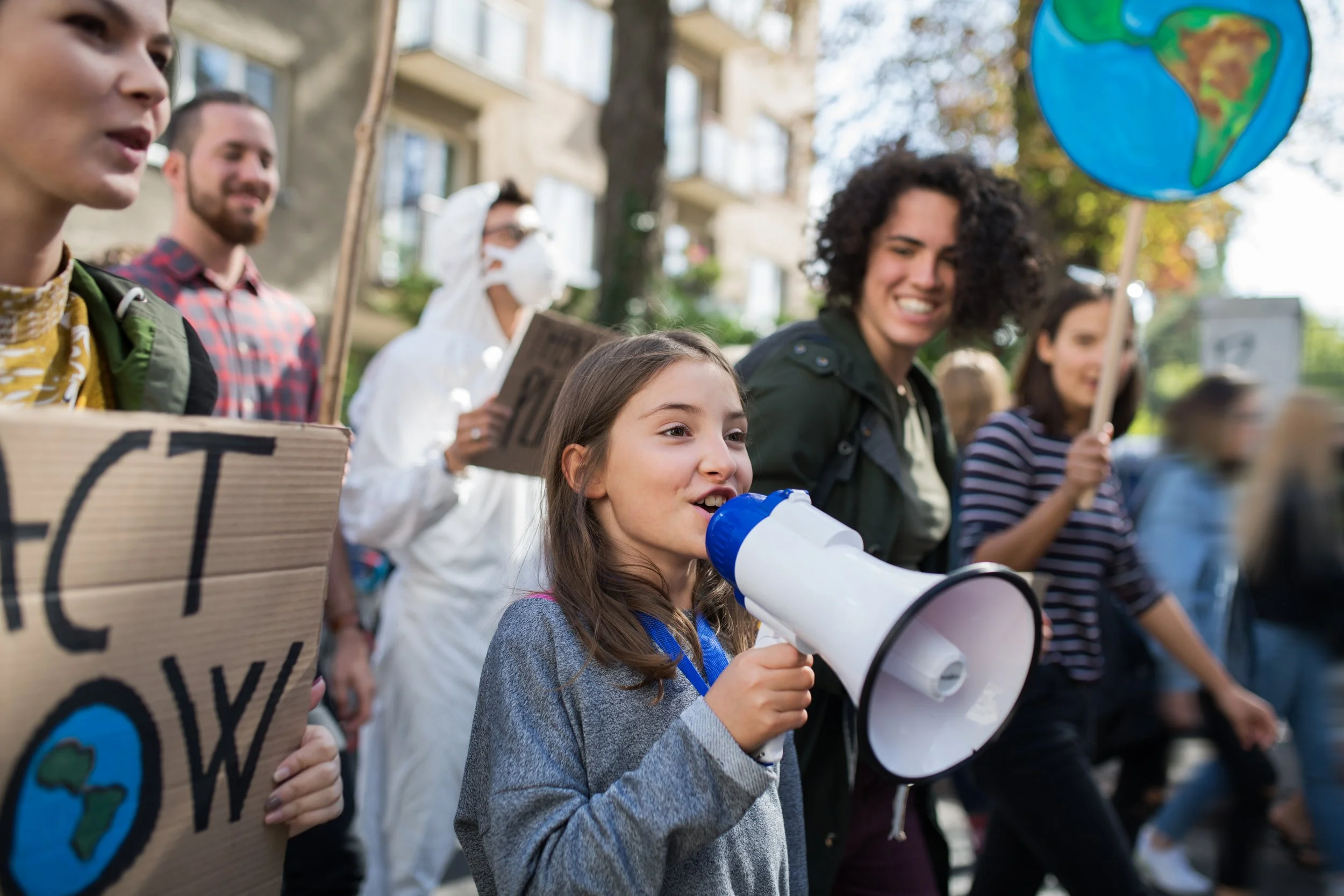
Love, Tolerance, compassion and Social justice—for people, rivers, oceans and the planet
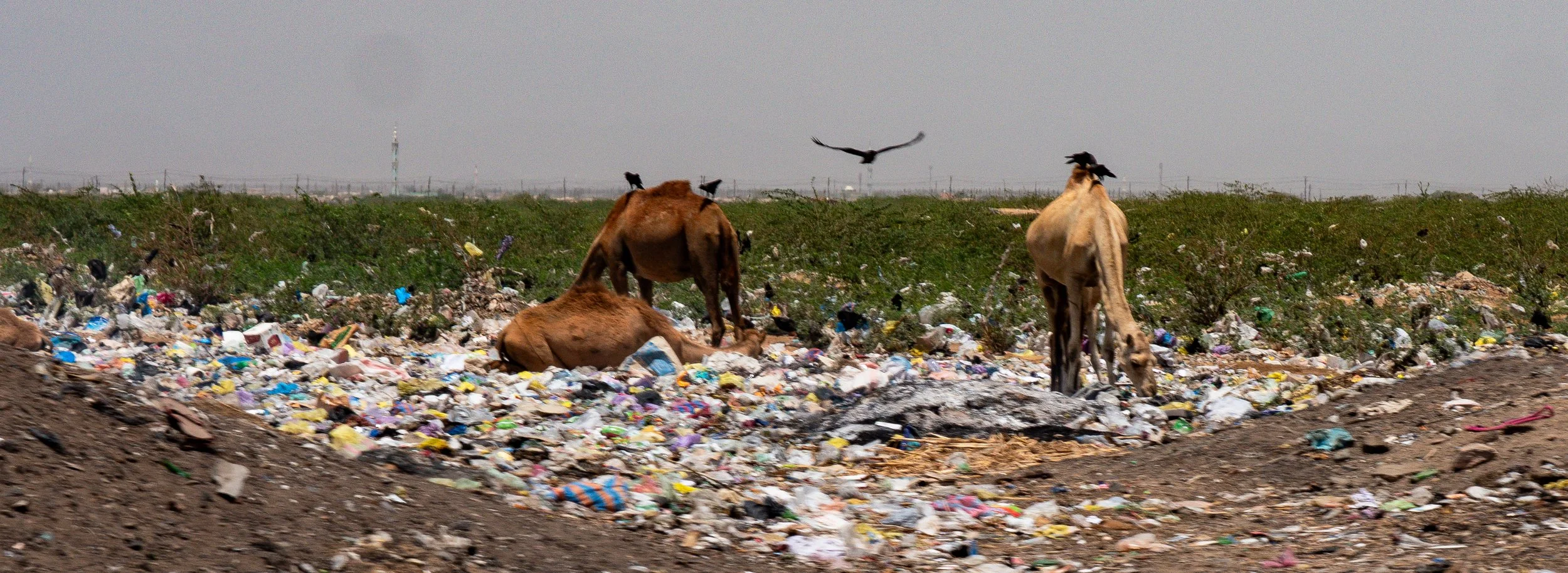
We’re living in a time when our rivers are drying, oceans are rising, and forests are disappearing—but these aren’t just environmental problems. They’re human issues. When ecosystems suffer, people suffer—especially the most vulnerable among us.
Preserving clean water, thriving fisheries, and healthy habitats isn’t just about protecting nature—it’s about protecting life, culture, and the future we leave behind.
But the most powerful tools we have aren’t just scientific—they’re human.
Love, tolerance, compassion, and social justice are at the core of real, lasting sustainability. When we care for one another and listen across differences, we create space for solutions that are not only effective but also fair and enduring.
Whether I’m standing in a river or speaking on stage, my message is simple:
If we want to heal the planet, we must begin by healing how we treat each other.
We need to act with urgency!
The values of love, tolerance, compassion, and justice. aren’t abstract. They’re practical forces that guide how we care for each other, how we steward the planet, and how we build a future that includes everyone.
The Rising Tide of Nationalism and Denial
Across many countries, nationalism is pushing people inward. Cooperation shrinks, fear grows, and climate change denial—fueled by political agendas and misinformation—slows the action we need.
The people who contribute the least often suffer the most.
This is where love, tolerance, compassion, and justice become essential. They aren’t soft. They’re what allow us to build solutions that last.
Love: A Steady Force for Restoration
Love is commitment. It’s what motivates people to protect the places and communities they care about.
A powerful example is the Elwha River restoration in Washington State. For more than a century, two dams blocked salmon from returning to their spawning grounds. This damaged the ecosystem and disrupted cultural traditions of the Lower Elwha Klallam Tribe.
After decades of persistence, the dams came down. Salmon returned within months. The river revived. Cultural practices revived with it.
The restoration succeeded because a community loved a river enough to fight for its return.
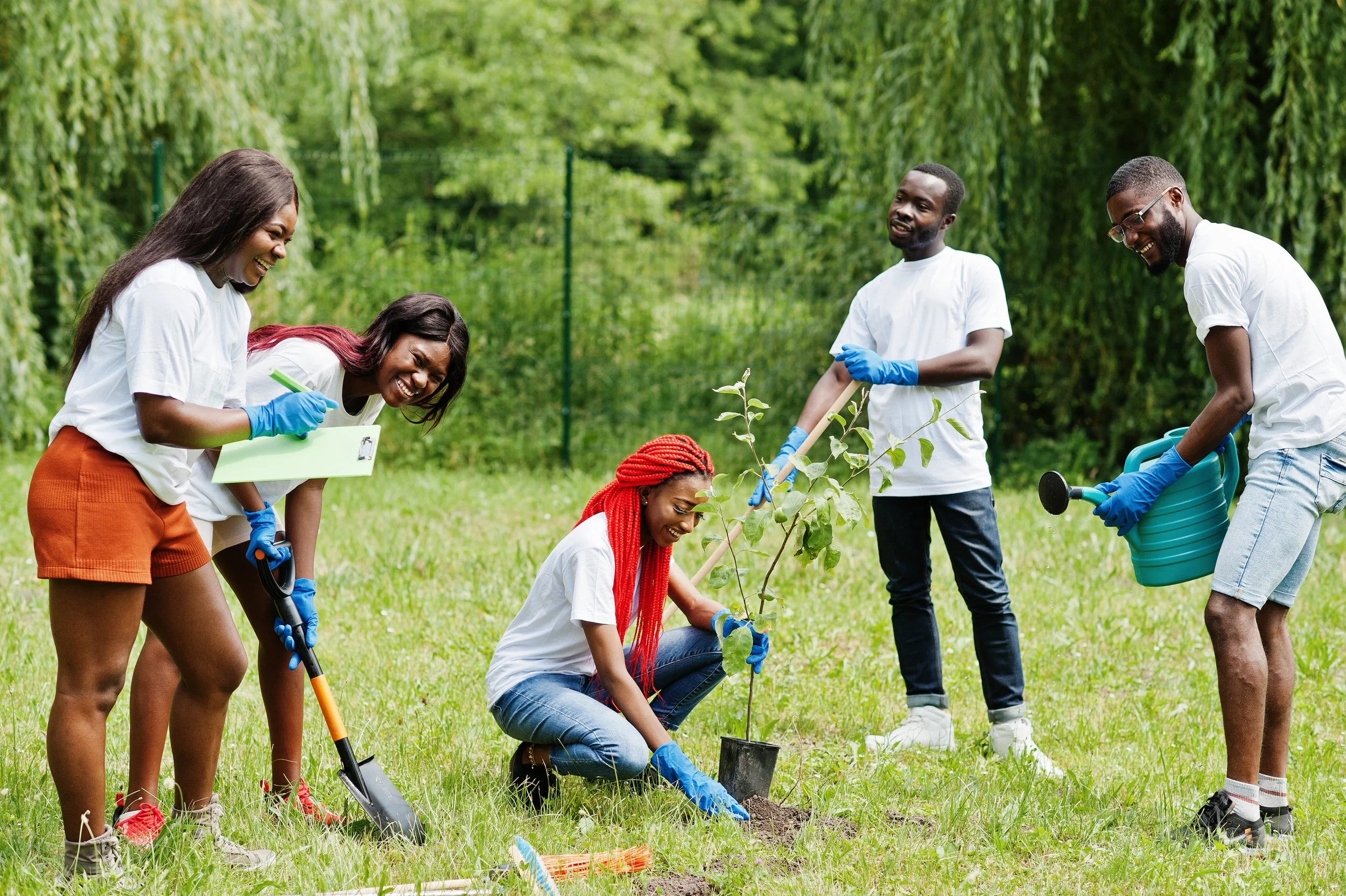
Love shows up everywhere: in neighbors planting trees after wildfires, in parents marching for their children’s future, and in communities cleaning beaches or rivers they depend on.
Tolerance: Working Together Across Differences
Nature thrives on diversity. Human progress depends on it too.
Tolerance lets people work together even when they disagree. It creates room for cooperation instead of conflict.
You see this at COP30, held in the Brazilian Amazon. Thousands of delegates—including a record number of Indigenous leaders—pushed for stronger forest protection. While not every goal was reached, countries did commit billions to conservation and to supporting Indigenous land rights.
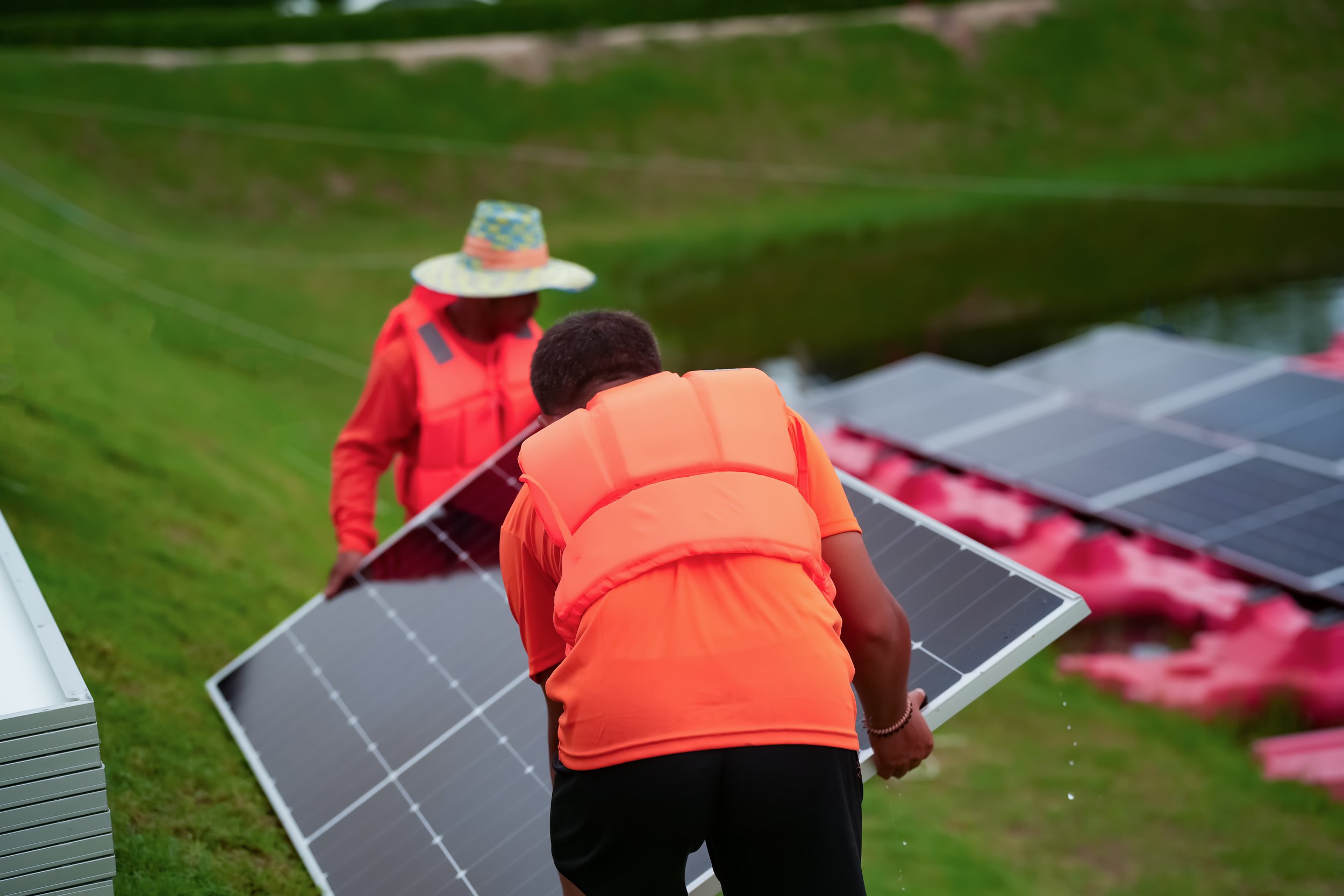
Tolerance also helped shape Costa Rica’s renewable energy transition. For years, the country has generated nearly all its electricity from clean sources. This didn’t happen overnight. It required steady public support, cross-party cooperation, and a shared belief that clean energy could benefit everyone.
Compassion: Turning Understanding Into Action
Compassion moves us from “I care” to “I’ll help.”
The African Great Green Wall is one example. What began as a plan to plant trees along the Sahel has grown into a restoration movement spanning more than 20 countries. It improves soils, creates jobs, strengthens food security, and gives young people new opportunities.
Compassion also drives global efforts like The Ocean Cleanup. Their technology removes plastic from oceans and from polluted rivers before it reaches the sea. Their river-based “Interceptor” systems help communities capture waste and improve water quality.
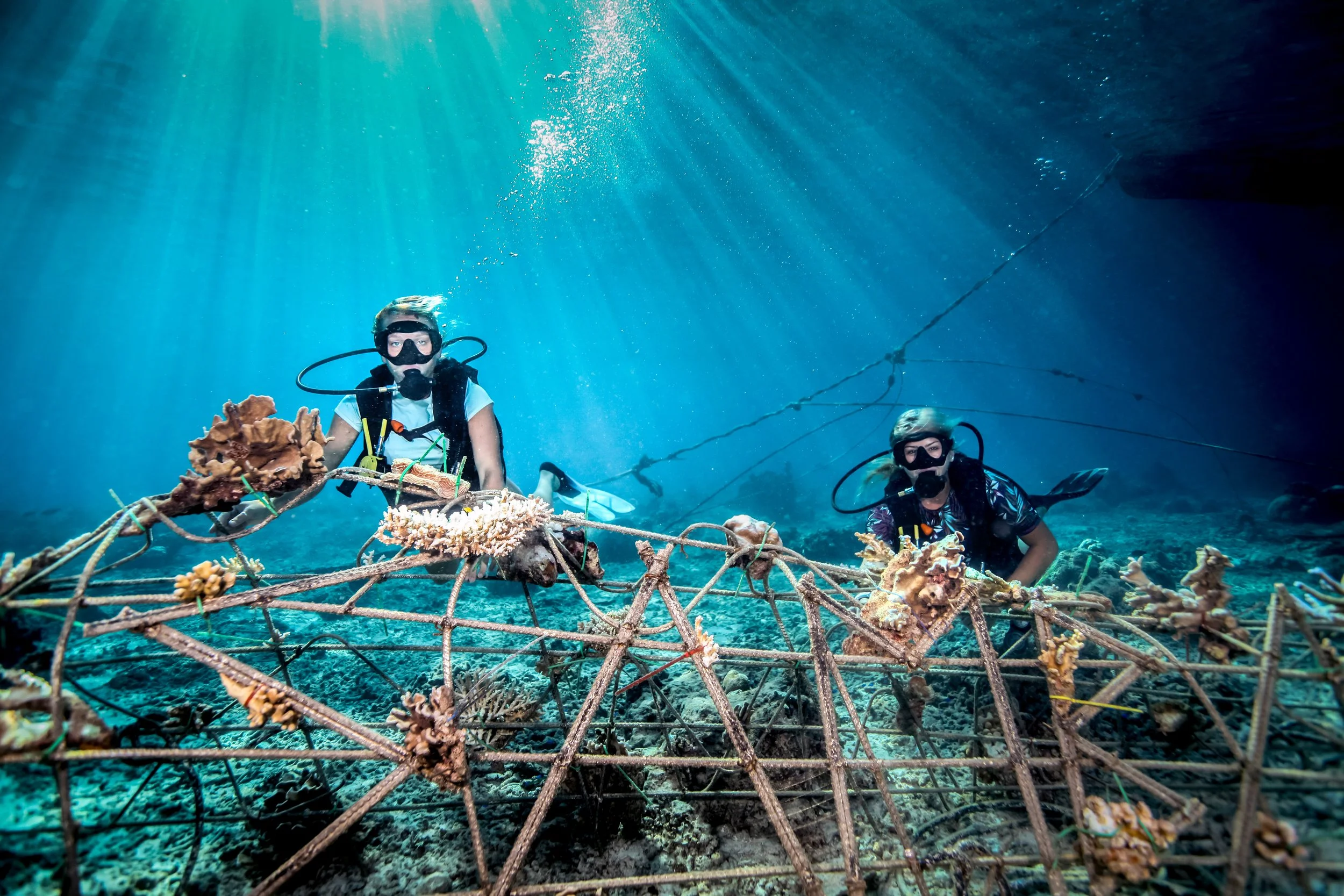
You can see compassion on coral reefs too. In places like Gili Trawangan in Indonesia, community-led teams grow coral fragments in underwater nurseries and transplant them onto damaged reefs. Fish return. Tourism becomes more sustainable. Coasts become more resilient.
Compassion becomes real when people act for the sake of others—often people they will never meet.
Justice: The Center of Any Real Climate Solution
Climate change is not only about rising temperatures. It’s about fairness and human rights.
Low-income communities breathe dirtier air.
Indigenous communities lose land and cultural connections. Countries that emit the least face the harshest impacts.
At COP30, one critical shift was the recognition that Indigenous land rights are essential for forest protection. Brazil also announced new Indigenous land demarcations—a meaningful step toward justice for communities who have protected forests long before international agreements existed.
Social Justice asks:
Who benefits?
Who pays the price?
Who gets a voice?
No climate solution is complete if it ignores these questions.
Indigenous and Youth Leadership: Values in Motion
Indigenous peoples and young leaders are driving some of the world’s most impactful climate solutions.
Indigenous leadership
In Vanuatu, communities restore coral reefs through “coral gardening,” strengthening marine ecosystems and protecting shorelines.
In Belize, Fragments of Hope has restored reefs for nearly two decades and become a model for the Caribbean.
Across the Amazon, Indigenous nations protect vast areas of forest with lower deforestation rates than surrounding regions.
Youth leadership
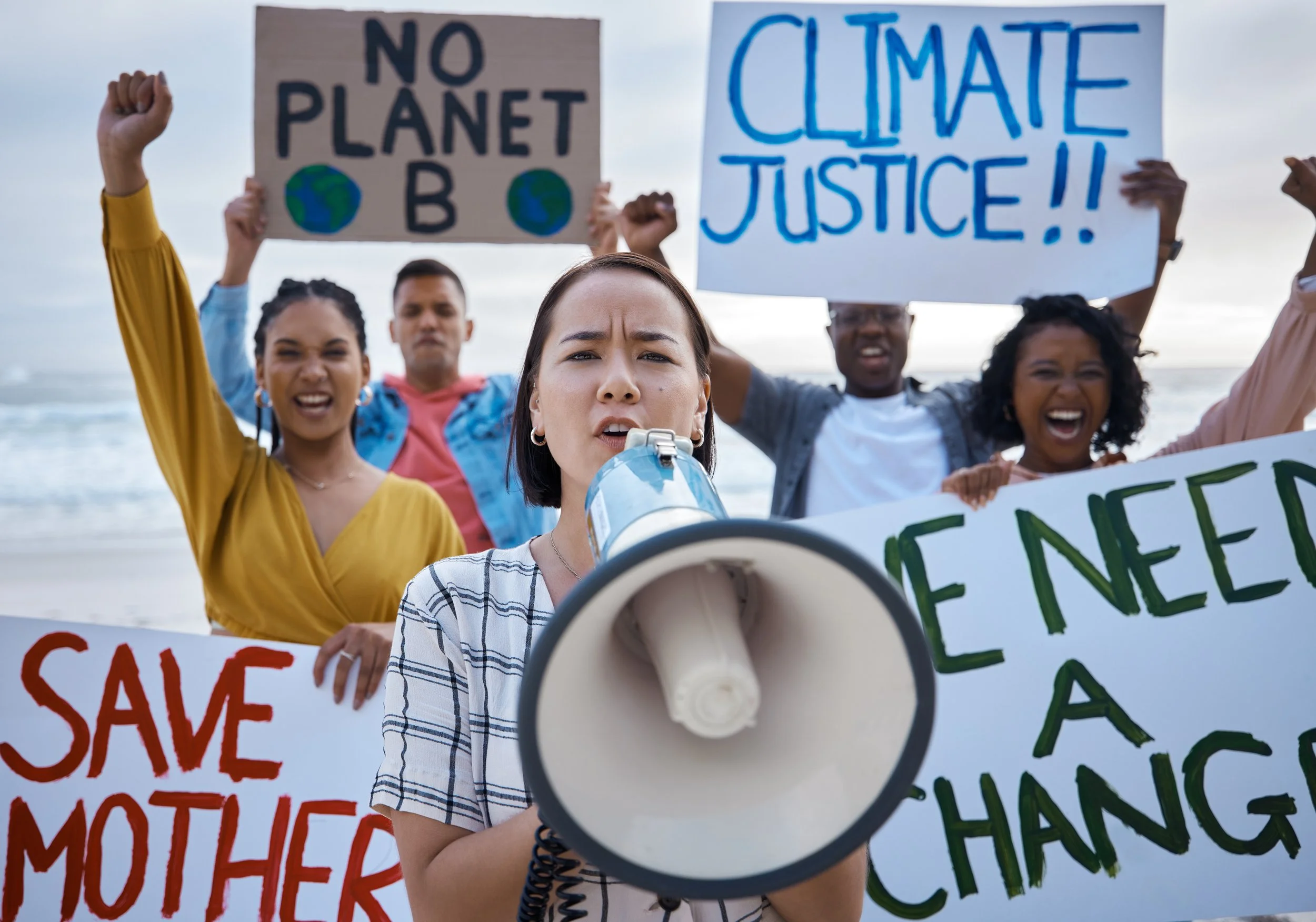
Fridays for Future grew into a worldwide movement of students demanding climate justice.
In Uganda, Vanessa Nakate amplifies African climate impacts and calls for fair solutions.
The Pacific Climate Warriors defend their homelands under the banner “We are not drowning. We are fighting.”
Their leadership shows that courage and clarity often come from those with the least power on paper—but the greatest stake in the future.
Hope in Action
Examples of progress are everywhere:
Cape Town avoided “Day Zero” by cutting water use in half through collective effort.
Kenya’s Green Belt Movement restores land while empowering women.
The Great Green Wall is healing landscapes across the Sahel.
Costa Rica shows that clean energy can power an entire country.
The Ocean Cleanup reduces plastic pollution in oceans and rivers.
The Elwha River shows how fast ecosystems recover when given a chance.
These stories prove that solutions exist—and they work.
A Path Forward
Solving the climate crisis means more than changing what we consume.
It means changing how we relate to one another.
We need less division and more dialogue.
Less blame and more shared responsibility.
Fewer solutions imposed from above, and more shaped by the communities most affected.
A green future without social justice won’t last.
Justice without compassion won’t inspire.
Compassion without love lacks depth.
We require all four.
It Starts With Us
These values may sound simple, but they have the power to transform how we live on this planet.
Let’s ground our activism in care.
Let’s listen to frontline communities.
Let’s support restoration efforts—from rivers to reefs to forests.
Let’s rebuild trust as we rebuild ecosystems.
Because the climate crisis is not only about the environment. It’s about who we are, how we treat each other, and the future we believe everyone deserves.


Sources & References & Ways to get involved
Elwha River Restoration: NOAA Fisheries: https://www.fisheries.noaa.gov/feature-story/elwha-river-restoration
COP30 Outcomes: World Resources Institute: https://www.wri.org/insights/cop30-outcomes-next-steps
Costa Rica Renewable Energy BBC Overview: https://www.bbc.com/news
The Ocean Cleanup: Project Overview: https://theoceancleanup.com
Coral Reef Restoration: Earth.org Coral Restoration Projects: https://earth.org/coral-reef-restoration-project
Commonwealth Case Study: https://thecommonwealth.org/case-study/coral-reef-rehabilitation
Indigenous & Youth Climate Leadership Fridays for Future: https://fridaysforfuture.org
UNICEF on Vanessa Nakate: https://www.unicef.org
Pacific Climate Warriors: https://350pacific.org
Great Green Wall: UNCCD Initiative: https://www.unccd.int/our-work/great-green-wall
More Resources: https://everydaypeacebuilding.com/environmental-justice-organizations/
Pictures in this blog are stock pictures for illustrative purposes only.